SOC as a service or an in-house SOC?
A security operations center can be set up in two ways: an in-house SOC run with your own staff and tools, or SOC as a Service, where monitoring and analysis capability is sourced externally. The choice depends on your organization’s size, regulatory requirements and ability to staff 24/7 shifts.
| Criterion | In-house SOC | SOC as a Service |
|---|
| Setup process | Hiring, training, tool selection and process design | Starts with connecting log sources and tuning rules |
| 24/7 coverage | Requires a shift plan and backup staff | Provided as part of the service |
| Tools | SIEM, EDR and licenses managed by your organization | Operated as part of the service |
| Organizational knowledge | The model closest to internal processes | Transferred and documented during onboarding |
| Best fit | Large organizations with their own security team | Mid-sized and large businesses that need 24/7 monitoring |
A hybrid model is also possible: your IT team handles incidents during business hours, and the SOC team takes over after hours and during peak periods. In this model, having both teams use the same incident records and the same response matrix prevents information loss at shift handovers.
SOC service workflow: from alert to response
- Alert: a SIEM correlation rule or an EDR detection generates an event.
- Triage: an analyst uses context to determine whether the alert is a real threat or a false positive.
- Analysis: the affected users, devices and timeline are established, and the team checks whether the attack has spread.
- Response: steps such as device isolation, account lockout or a firewall rule are applied according to the approved action plan, or carried out together with your organization.
- Closure and improvement: the incident is reported, and rule and policy updates are recommended to prevent the same scenario from recurring.
For critical-priority incidents, the first-response target is 15 minutes; target times for each priority level are listed on the SLA page.
How SOC, SIEM and EDR fit together
These three are not alternatives to one another but parts of the same structure. EDR/XDR sees what happens on the endpoint and provides the ability to respond. SIEM and log management correlates records from all sources and generates alerts. The SOC is the team and process that reads, prioritizes and acts on the signals these tools produce. Without tools, a SOC is blind; without a SOC, the tools stay silent.
When the service starts, this relationship is turned into concrete decisions. The log sources to monitor and their priorities are defined; a written response matrix specifies which event types the SOC team can act on directly and which require your approval. After-hours contacts and their backups, the escalation order and communication channels are listed. Your organization’s specific processes (for example, overnight batch jobs, regular maintenance windows, remote connections from outsourced software vendors) are built into the rule set, so known, legitimate activity does not trigger unnecessary alerts.
Regular reports cover not just the number of alerts but which scenarios recur, which configuration weaknesses set the stage for incidents, and recommended improvements for the next period. This feedback loop helps the SOC service produce fewer but more meaningful alerts over time.


 Firewall SolutionsWe design, manage and protect 24/7 your firewall infrastructure, your business's first line of defense, in line with enterprise security standards. MAV Cloud Firewall…Learn more
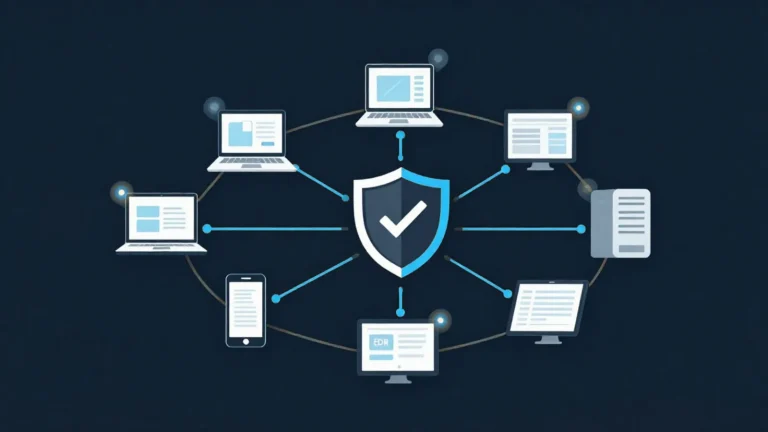 Endpoint Security (EDR / XDR)Modern cyberattacks now target user computers and servers. With MAV Cloud EDR/XDR, all of your endpoints are protected by advanced behavioral analysis and…Learn more
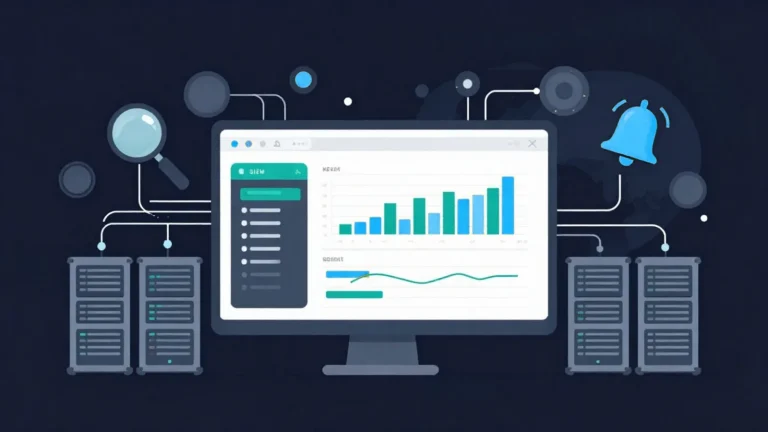 SIEM & Log ManagementCyberattacks often leave traces in log records. Analyzing these records correctly enables early detection of attacks. MAV Cloud SIEM and Log…Learn more
 Vulnerability ScanningCyberattacks usually exploit unpatched systems and unknown security vulnerabilities. With MAV Cloud Vulnerability Scan, we scan your servers, network…Learn more
 Penetration TestingWe find your security vulnerabilities before cyber attackers reach your systems. With MAV Cloud Penetration Testing (Pentest), your external network, internal network, web…Learn more
 Zero Trust NetworkA traditional security mindset is no longer enough. The Zero Trust approach does not trust any user or device on the network by default.…Learn more